Per amore o per forza (1971)
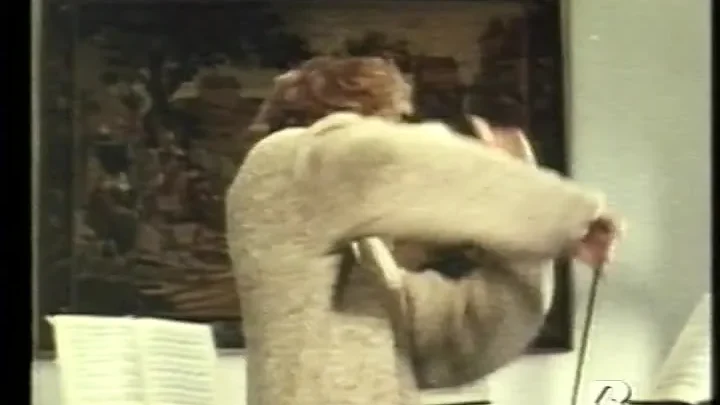
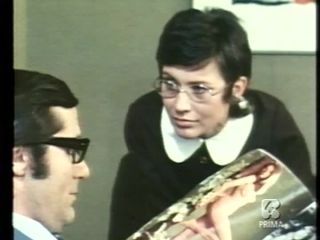
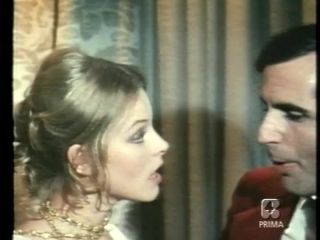
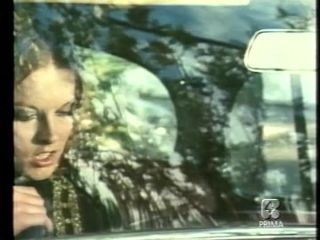
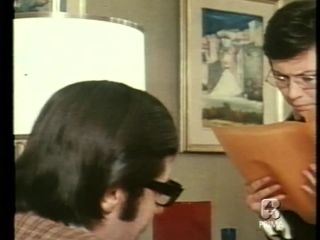
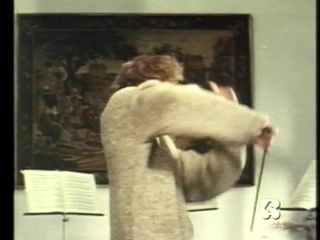
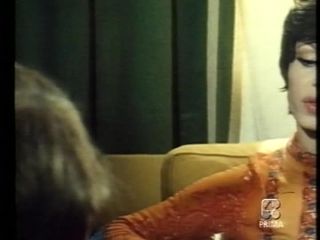
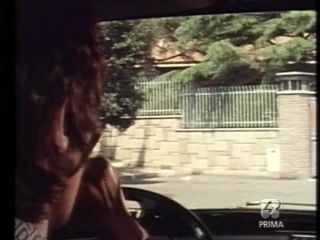
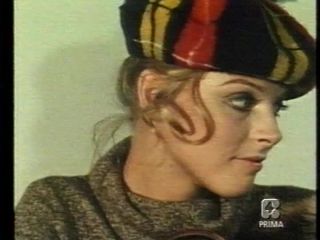
Download VideoA blonde in her 20s with curly hair and a gold necklace is driving in a car, natural light coming through the window, close-up of her profile. She’s looking ahead, not talking, just focused on the road. Later, a guy and a girl in their 20s are in an office, sitting close, having a quiet conversation — he’s wearing glasses, reading a paper, she’s listening, both dark-haired and slim. The scene shifts to a muscular brown-haired guy in his 30s conducting in front of a music stand, back view, wide shot, looks like he’s leading a rehearsal. Finally, a dark-haired girl in her 20s in a slim orange dress is sitting on a couch in a living room, close-up on her face, artificial lighting, quiet moment. No sexual acts visible, just a series of intimate, realistic character moments with tight framing on faces and subtle details in clothing and setting. The lighting shifts between natural and artificial, giving each scene a different mood — outdoor warmth, office sterility, indoor softness.